GMU 14 is an over-the-counter elk unit in northwest Colorado, in Routt and Moffat counties, between Steamboat Springs, Craig and Maybell. CPW manages it as part of the Bear’s Ears elk herd. Looking at it for a first Colorado elk hunt? Three things to know before you book the time off. One of them is good news.
The short version. You can buy a bull tag over the counter for 2nd and 3rd rifle. The herd is well under CPW’s own population objective. And half the winter range is private, with public land in places landlocked behind it. The tag is the easy part. Access is the hunt.
Where GMU 14 is
CPW groups units into Data Analysis Units for herd management. GMU 14 sits in the Bear’s Ears DAU (E-2), with units 3, 4, 5, 214, 301 and 441. CPW names the towns on the edge of this herd’s range as “Craig, Steamboat Springs and Maybell.”
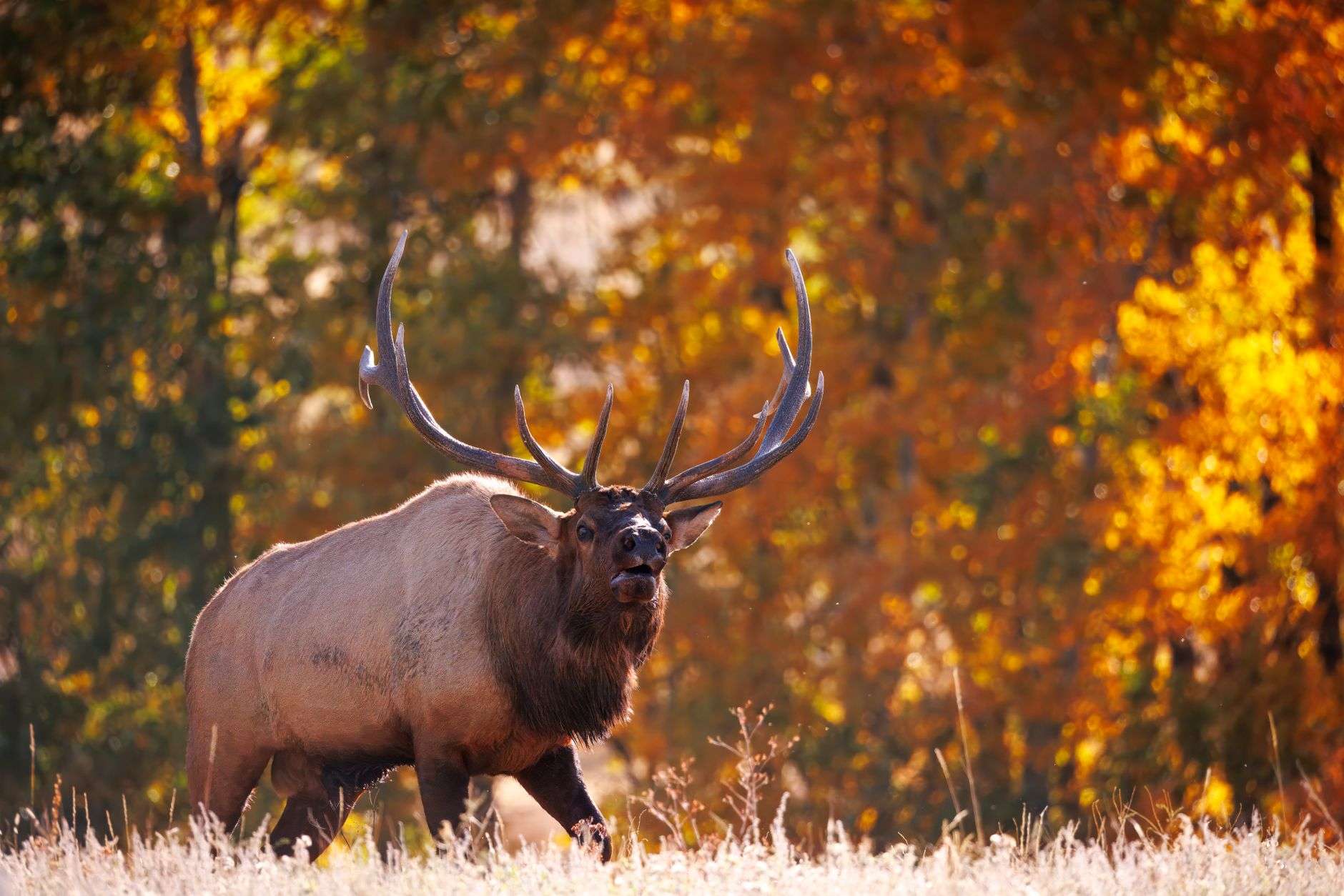
Big, open, north-facing country. Sage and oak brush breaking into aspen and dark timber as you climb. The elk are truly migratory: CPW’s herd plans note animals moving 60 to 70 miles between summer and winter range. Where they are in October isn’t where they were in August. It isn’t where they’ll be in December either.

Most unit write-ups skip this. Scouting GMU 14 in July tells you about July.
The number that isn’t in the brochure
CPW sets a population objective for every herd, then estimates the real post-hunt population each year. For Bear’s Ears:
| Measure | Figure |
|---|---|
| CPW population objective | 15,000 – 18,000 elk |
| 2023 post-hunt estimate | 10,567 elk |
The herd is well under the bottom of its own objective range. We won’t dress that up. Fewer elk on the landscape means fewer in front of you. It’s the most useful fact about this unit, and you won’t find it on a forum thread.
It doesn’t mean the unit is empty. Ten and a half thousand elk is still a lot of elk. It means the odds are honest. Anyone selling GMU 14 as a sure thing hasn’t read CPW’s numbers.
Access is the real limit
How CPW breaks down ownership of this herd’s elk winter range:
| Ownership | Share of elk winter range |
|---|---|
| Private property | 50% |
| BLM | 40% |
| State and county | 10% |
In CPW’s own stakeholder feedback for this herd, the complaint that keeps coming up is blunt: “Access to public land is limited due to being landlocked and surrounded by private land.”
Do this first. Pull up a land ownership map and find your access before you pick a camp. Public acres on a map aren’t public acres you can legally walk to. This ruins more northwest Colorado hunts than weather or gear, and you can fix it from the kitchen table in August.
Licenses: what’s over the counter
CPW runs Bear’s Ears as an opportunity herd. It trades trophy quality for tags you can actually get. In practice:
- Bull licenses for 2nd and 3rd rifle are unlimited and sold over the counter. No draw. No preference points.
- Archery and muzzleloader are limited on the National Forest. CPW’s reason: “to lessen the effects of hunters moving elk off of public lands prior to the 1st rifle season.”
Read that second one again. CPW is telling you elk here get pushed off public ground and onto private, early, and it’s managing the seasons to slow that down. You’ll be hunting inside that.
2026 season dates for this unit
| Season | 2026 dates | Notes |
|---|---|---|
| Archery, deer & elk | Sept 2 – Sept 30 | Limited on National Forest in this DAU |
| Muzzleloader | Sept 12 – Sept 20 | Limited on National Forest in this DAU |
| 1st rifle | Oct 14 – Oct 18 | Elk only, 5 days |
| 2nd rifle | Oct 24 – Nov 1 | 9 days, two weekends. Busiest week of the year. |
| 3rd rifle | Nov 7 – Nov 15 | 9 days |
| 4th rifle | Nov 18 – Nov 22 | 5 days. Cold. Far fewer trucks. |
Every season statewide, with what’s open today: 2026 Colorado big game season dates. Planning ahead? The 2027 dates are already set.
What to bring
Blaze orange. This one’s the law.
During rifle seasons Colorado requires 500 square inches of solid daylight fluorescent orange or pink above the waist, plus a hat. Camo orange doesn’t count. The full rule: Colorado’s blaze orange rule, what actually counts.


A cheap vest and a good vest both make you legal. The difference is pockets, and whether you still like it in year three. All blaze orange →
Glass. This is glassing country.
Open sage and oak brush breaking to timber is where binoculars beat boot leather. When the herd moved last week, the hunter sitting on a good vantage with glass finds elk the hunter walking ridges never sees.
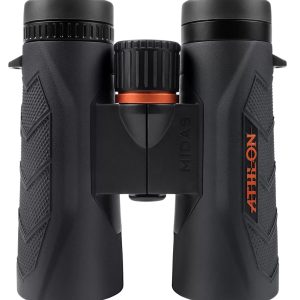

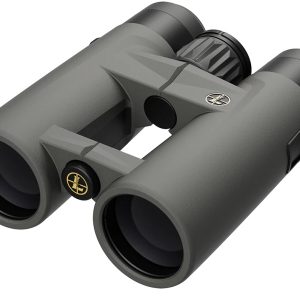
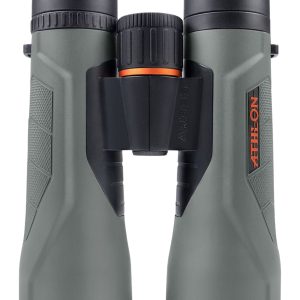
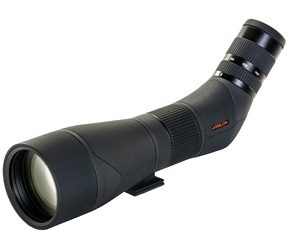
10×42 is the default for a reason. 8×42 is the better buy if you glass handheld instead of off a tripod. All binoculars → · Rangefinders → · Spotting scopes →
Calls, for September archery
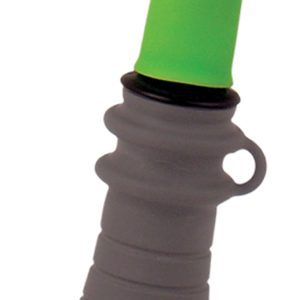
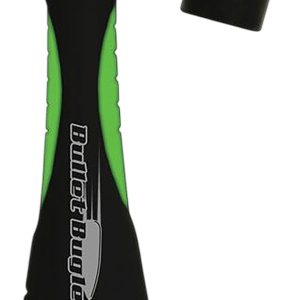
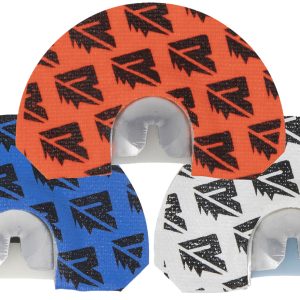
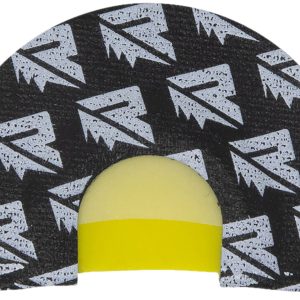
Buy diaphragms in a three pack. Practice in the truck for a month before September. All game calls →
Light. The walk out is in the dark.
Field dressing and packing out take both hands. That’s a headlamp job. Trailing after last light? A high-CRI or dedicated tracking light shows dark red against wet brown better than raw brightness does.
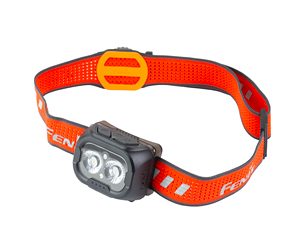

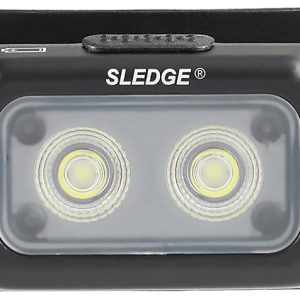

All flashlights and headlamps →
Cameras, for the scouting you should be doing now
Trail cameras are legal in Colorado year round for scouting. No seasonal ban, whatever you’ve read. The regulation, quoted: Are trail cameras legal in Colorado?
-
Wildgame Innovation
Wildgame Innovations Terra Extreme XD Digital Trail Camera 16MP
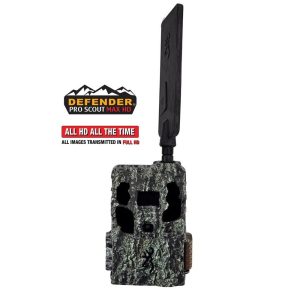
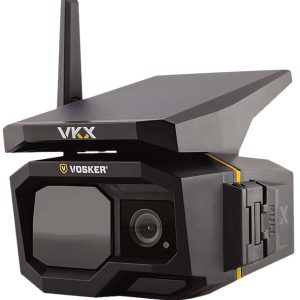
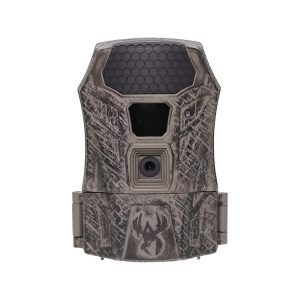
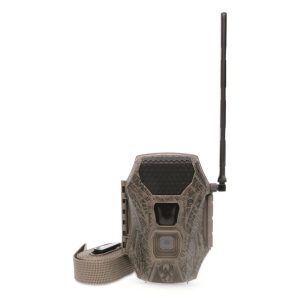
In migratory country a cellular camera earns its keep. It tells you the elk moved without you burning a day driving out to find out. All game cameras →
Would we send you here?
Depends what you want.
A tag in your pocket without burning points? If you’ll do the access homework properly, GMU 14 is a legitimate over-the-counter elk hunt a couple of hours from Steamboat. Plenty of hunters fill tags here every year. They solved access in August.
Expecting high odds? Look hard at the herd estimate against the objective, and at the units next door. Success in northwest Colorado swings more between neighboring units than most people expect. Some units around here have run about double the elk success of others. Same country, very different odds. The unit-by-unit comparison is coming as those guides go up.
We won’t tell you it’s easy to sell you a vest.
Sources. Herd objective, post-hunt estimate, winter range ownership, stakeholder feedback and license structure from Colorado Parks and Wildlife’s Northwest Colorado Elk Herd Management Plans (draft), Bear’s Ears DAU E-2. Season dates from CPW’s 2025–2029 Big Game Season Structure. Confirm against the current CPW brochure before you hunt.
Season alerts
Get the next guide first
One email when a new guide goes up. A note before each elk season opens. That’s it.
Elk Season checklist