Yes. Standard trail cameras are legal in Colorado, and there’s no seasonal ban on running them.
The restriction is narrower than people think. It covers live-action cameras, and only acting on what they show you to hunt the same day or the next.
We get asked this all the time, and a lot of people are being scared off perfectly legal gear. Some of what’s online about Colorado looks like other states’ rules. There are claims of an August-to-February ban we can’t find any basis for in Colorado regulation. So here’s the actual text.
The regulation, word for word
“No person shall use a live-action camera to locate, surveil, or aid or assist in any attempt to locate or surveil any game wildlife for the purpose of taking or attempting to take said wildlife during the same day or following day.”
Colorado Parks and Wildlife, Chapter W-2 Big Game Regulations, Regulation #004(E)
Read it slowly. Every clause matters.
- “live-action camera.” Aimed at cameras that send you images in real time. Not a camera saving pictures to a card you pull weeks later.
- “for the purpose of taking or attempting to take.” What’s banned is hunting off the information. Not owning or running the camera.
- “during the same day or following day.” That’s a freshness window, not a season. Older images aren’t what the rule is about.
No date range. No ban on standard cameras. No limit on how many you run, or where you put them on public land.
Legal
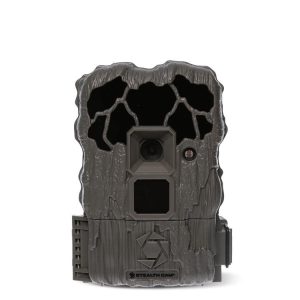
- Standard SD-card trail cameras, year round
- Running cameras all summer to pattern animals
- Pulling cards and hunting that country later
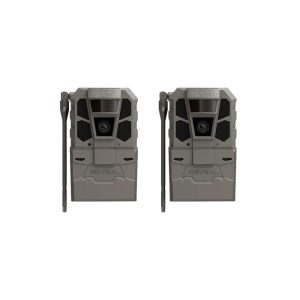
- Owning a cellular camera
- Using cellular images for scouting outside the same-day, next-day window
Not legal
- Getting a live image and going after that animal today or tomorrow
- Using a drone to look for, scout or detect wildlife as an aid to hunting
- Any real-time surveillance used to take game inside that window
Drones are a different, harder rule
“It shall be unlawful to use a drone to look for, scout, or detect wildlife as an aid in the hunting or taking of wildlife.”
Colorado Parks and Wildlife, Chapter W-2, Regulation #004(C)
Note the difference. The camera rule has a time window. The drone rule doesn’t. Scouting wildlife by drone to help you hunt is out, any time. People mix the two up and assume cameras get the same treatment. They don’t.
Land rules are a separate question. Legal under CPW doesn’t mean allowed everywhere. Wilderness areas, some federal land managers and private landowners have their own rules on cameras and on leaving gear unattended. Check the ground you’re actually on. Around here that means Routt National Forest and the Flat Tops.
What we’d tell you
- A standard card camera is the simple choice. It’s nowhere near the live-action language, and it costs less.
- Running cellular? Mind the window. Treat the images as scouting, not a live feed you act on that afternoon.
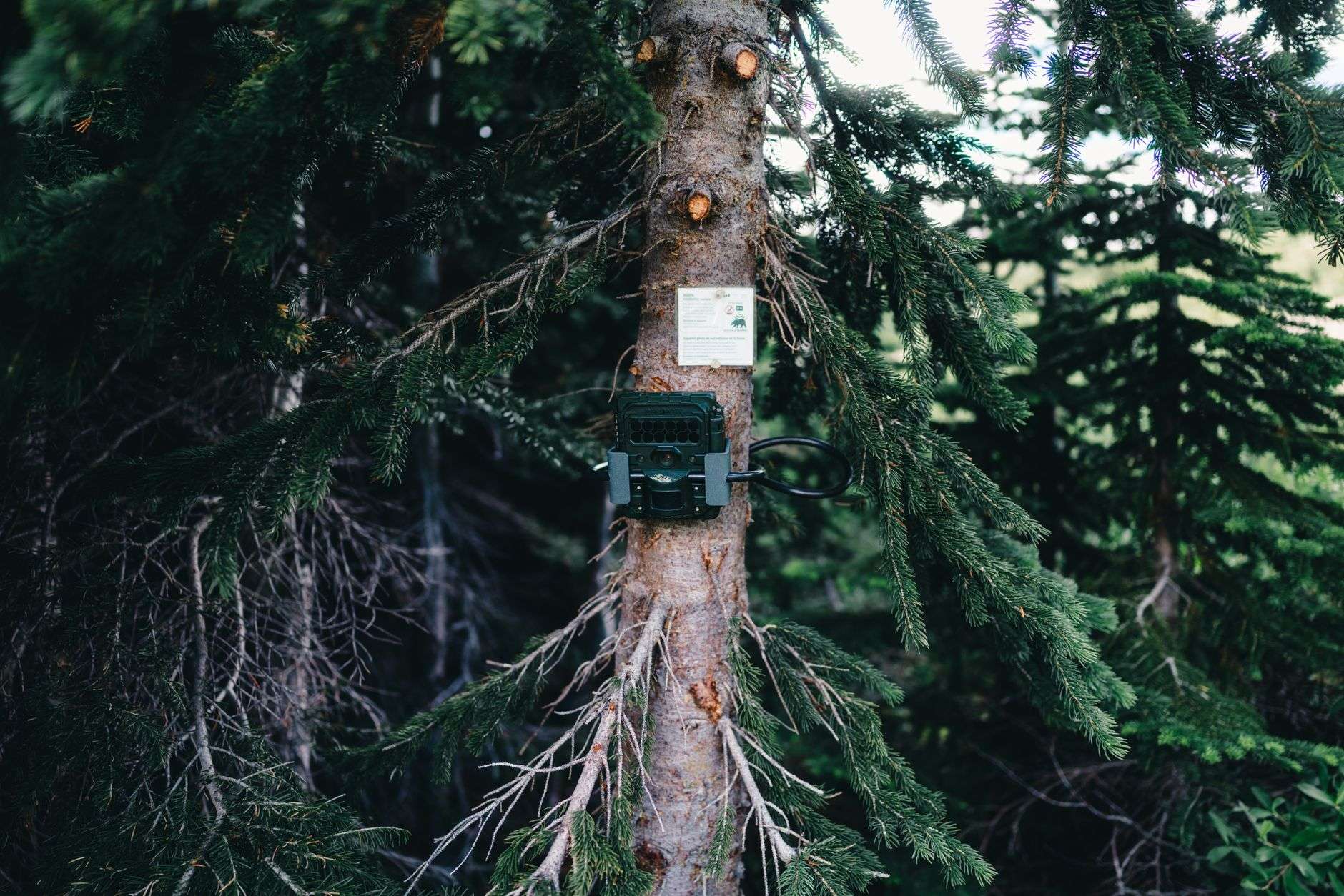
- Put them out early. The value is in weeks of patterns. That’s also the use furthest from anything the rule restricts.
- Label them. Cameras walk off. Contact details on the housing bring more of them back than you’d think.
Cameras we carry
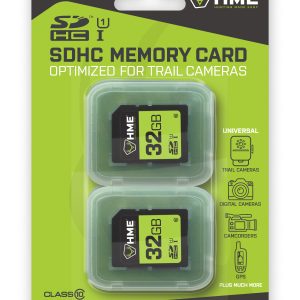
Standard and cellular. Plus the cards, straps, locks and batteries people forget until the camera’s already on the tree.
Sources. Regulations #004(E) and #004(C) quoted from Colorado Parks and Wildlife’s Chapter W-2 Big Game Regulations. We quote the regulation instead of summarizing it, because the summaries online are where the confusion starts. Regulations change. Confirm against the current Chapter W-2 before you rely on this. Something wrong? Tell us and we’ll fix it the same day.
Season alerts
Get the next guide first
One email when a new guide goes up. A note before each elk season opens. That’s it.
Turkey checklist